
04th April 2026

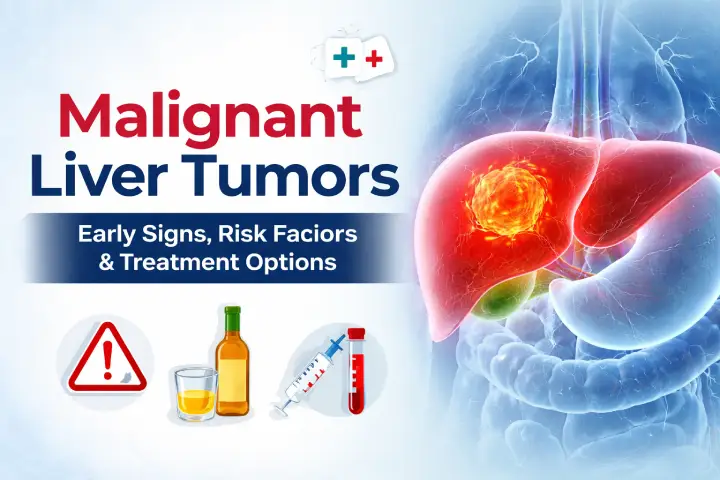
Malignant Liver Tumors: Early Signs, Risk Factors & Treatment Options

Liver tumors can be broadly classified into benign (non-cancerous) and malignant (cancerous) types. While benign tumors are often harmless, malignant liver tumors require immediate medical attention due to their aggressive nature and potential to spread.

In our main guide on liver tumors and cysts, we discussed the different types and diagnostic approaches. We also explored non-cancerous growths in detail in our benign liver tumors guide.

In this article, we focus specifically on malignant liver tumors—their early warning signs, causes, and available treatment options.

What Are Malignant Liver Tumors?

They are cancerous growths that either originate in the liver (primary liver cancer) or spread from other organs (secondary or metastatic liver cancer).

The most common types include:

  • Hepatocellular carcinoma (HCC) – the most prevalent primary liver cancer
  • Cholangiocarcinoma – cancer of the bile ducts
  • Metastatic liver tumors – cancers that spread from organs like the colon, breast, or lungs

Early Signs of Malignant Liver Tumors

In the early stages, liver cancer may not show noticeable symptoms. However, as the condition progresses, some warning signs may appear:

Common Early Symptoms:

  • Unexplained weight loss
  • Persistent fatigue or weakness
  • Loss of appetite
  • Nausea or vomiting

Advanced Symptoms:

  • Pain or discomfort in the upper right abdomen
  • Swelling or bloating in the abdomen
  • Jaundice (yellowing of skin and eyes)
  • Dark urine and pale stools

Early detection is crucial, especially in high-risk individuals, as it significantly improves treatment outcomes.

Risk Factors for Liver Cancer

Several factors increase the likelihood of developing malignant liver tumors:

  1. Chronic Liver Diseases
  • Hepatitis B and C infections
  • Liver cirrhosis (scarring of the liver)
  1. Lifestyle Factors
  • Excessive alcohol consumption
  • Obesity and fatty liver disease
  1. Environmental and Genetic Factors
  • Exposure to toxins (like aflatoxins)
  • Family history of liver cancer
  1. Metabolic Disorders
  • Diabetes
  • Non-alcoholic fatty liver disease (NAFLD)

According to global health data, chronic hepatitis infections remain one of the leading causes of liver cancer worldwide.

Diagnosis of Malignant Liver Tumors

If liver cancer is suspected, doctors may recommend:

  • Blood tests (including tumor markers like AFP)
  • Imaging scans (Ultrasound, CT scan, MRI)
  • Liver biopsy to confirm the diagnosis

Early and accurate diagnosis helps in selecting the most effective treatment plan.

Treatment Options for Malignant Liver Tumors

Treatment depends on the stage of cancer, liver function, and overall health of the patient.

  1. Surgical Treatments
  • Liver resection (removal of tumor)
  • Liver transplantation in selected cases
  1. Localized Therapies
  • Radiofrequency ablation (RFA)
  • Transarterial chemoembolization (TACE)
  1. Systemic Treatments
  • Chemotherapy
  • Targeted therapy
  • Immunotherapy
  1. Palliative Care

For advanced cases, treatment focuses on symptom relief and improving quality of life.

Prevention and Early Detection

While not all cases can be prevented, risk can be reduced by:

  • Vaccination against Hepatitis B
  • Regular screening for high-risk individuals
  • Limiting alcohol intake
  • Maintaining a healthy weight

For credible global health insights on liver diseases, you can also refer to resources from the World Health Organization (WHO), which provides evidence-based guidelines and statistics.

Conclusion

Malignant liver tumors are serious but potentially manageable if detected early. Understanding the symptoms and risk factors can help individuals seek timely medical attention.

If you notice persistent symptoms or belong to a high-risk group, consult a specialist without delay. Early diagnosis, combined with advanced treatment options, can significantly improve outcomes and quality of life.

Chat with us